Festival Porta Potties
Crowd-ready portable restrooms in Norristown, PA.
- ✓ Rapid Deployment
- ✓ High-Capacity Layouts
- ✓ Flexible Servicing
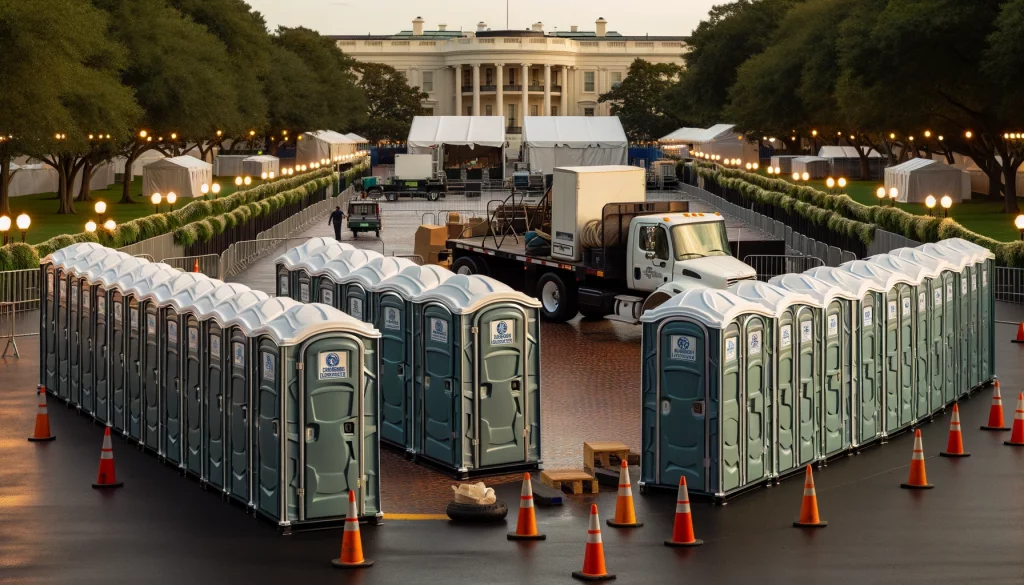
Crowd-ready portable restrooms in Norristown, PA.
Festival restroom planning is a traffic-management task as well as a sanitation task. Begin by mapping the event footprint: entrances, stages, food vendors, beverage areas, activity zones, first-aid locations, ticketing points, parking, and staff-only spaces. Then consider where crowds will build at different times. A restroom bank placed near a gate may work well for arrivals but be inconvenient for guests spending most of the day near performances or vendors. Larger sites may benefit from discussing separate locations that reduce long walks and distribute demand, while compact festivals may need a carefully selected central area that does not interfere with circulation. Attendance estimates should reflect more than total tickets or expected visitors. Share the daily schedule, expected peak periods, whether people can re-enter, and whether the festival runs for one day or several. Food and drink service, family activities, and long performance blocks can increase restroom use, while a brief neighborhood program may have a different pattern. Organizers should also identify restroom needs for vendors, performers, volunteers, security personnel, and setup crews. These groups often arrive before the public and remain after closing, which can affect rental duration and placement decisions. If accessible access is required, discuss the need during planning rather than trying to adjust the layout after delivery. GrandPeakSan Site Services can collect the event details necessary to prepare a practical quote. Accurate information about location, unit placement, operating hours, site access, and the expected crowd helps build a plan that serves both guests and event operations.
The best festival placement balances visibility, convenience, and a safe delivery route. Select level ground with an approach that is not blocked by booths, barricades, parked cars, generators, tents, or crowds. Establish delivery access before vendor load-in begins whenever possible, and make sure an on-site contact can confirm the planned location. At parks, streets, school grounds, and other shared properties, organizers should verify any event-specific site rules with the responsible venue or property contact. Avoid placing restrooms where queues will spill into emergency lanes, entrances, food-service lines, or accessible pathways. Hosts can make the area easier to use by planning clear pedestrian routes and lighting for evening hours. For festivals continuing across multiple days, discuss the rental period and anticipated servicing needs based on attendance and use. Service frequency is not one-size-fits-all; it depends on crowd volume, the number of days, the layout, and the way the festival operates. Weather should also be part of the site plan. Rain can affect grass, dirt paths, and vehicle access, while heat and darkness can change guest movement and comfort. Have a contingency location in mind if conditions make the first choice unsuitable. Quote factors may include the number and type of requested units, dates, site conditions, delivery access, placement, and service schedule. By sharing a complete site plan and operating outline, festival coordinators give GrandPeakSan Site Services the information needed to provide good quality service and help keep restroom logistics organized throughout the event.